All Things Pumpkin
What’s the first thing that comes to mind when you think of fall? Everyone loves summer, but fall has its own unique magic: watching the leaves turn beautiful colors, the crisp, cool weather, Halloween, Thanksgiving, and above all, pumpkin everything. From pies and cookies to roasted seeds and pumpkin spice lattes, pumpkin is the ultimate symbol of autumn.
If you’ve ever felt a little guilty for joining the pumpkin spice craze, don’t. Seasonal foods are part of what makes eating joyful, and pumpkin happens to be one of the most nourishing ingredients of the season.
Diet culture often tells us that festive foods are “off limits” or need to be earned. We encourage you to drop that idea. Pumpkin can be a cozy treat and a nutrient-packed staple, and both have a place at your table. And no, canned pumpkin isn’t a shortcut to feel bad about. Pure canned pumpkin is just as nutritious as fresh.
What Is a Pumpkin?
A pumpkin is a type of winter squash and belongs to the gourd family.
• Name origin: “Pumpkin” comes from the Greek word pepon,
meaning “large melon.”
meaning “large melon.”
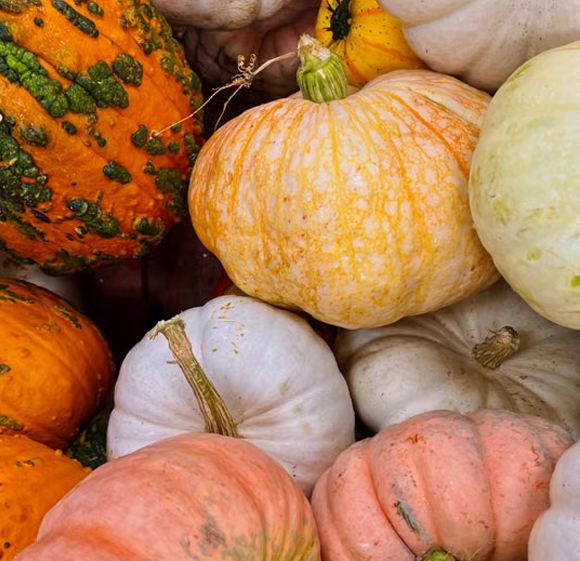
• Not just orange: Pumpkins also come in white, yellow, green,
and even blue-gray.
and even blue-gray.
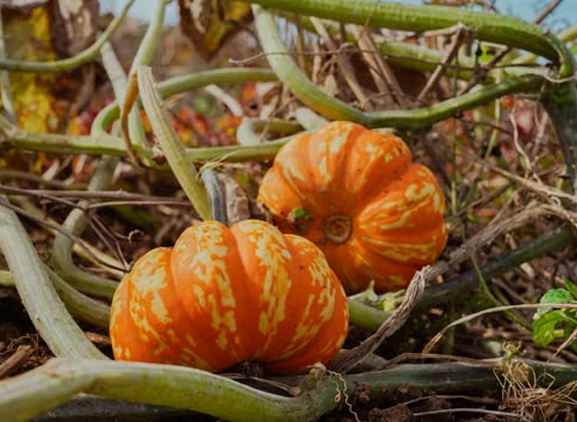
• Slow growers: They grow on vines and take about 4 months
to reach maturity.
to reach maturity.
• Composition: A pumpkin is 90% water, which is why it floats.
• Fun fact: Pumpkins, gourds, and squashes are
technically fruits, specifically berries!
technically fruits, specifically berries!
Why are pumpkins nutritious?
Pumpkin is rich in vitamin A, which supports healthy vision, skin, and immunity. It also provides potassium, a natural electrolyte that helps with hydration and muscle function. On top of that, it’s high in fiber which makes it incredibly versatile in the kitchen.
Fun fact: One cup of cooked pumpkin has more potassium than a medium banana.
The question is: How Did Pumpkins Become the Face of Fall?
Pumpkins are native to North America, and Native Americans were growing them for thousands of years, even before corn and beans. They boiled them, roasted them, dried them, ground them into flour, and even hollowed them out as bowls. Zero waste, long before it was trendy.
In the 1500s, French explorer Jacques Cartier spotted pumpkins and called them “gros melons” (big melons). In English this became “pompions,” and after a few centuries of mispronunciation we landed on “pumpkin.”
As people moved to cities during industrialization, pumpkins stayed behind on the farm. They became a symbol of simpler, rural life, so city dwellers started reaching for them when they felt nostalgic.
The first American pumpkin pie recipe appeared in the 1796 cookbook American Cookery. It caught on in New England, and the rest is delicious history.
So the next time you sip that pumpkin spice latte, remember you’re part of a tradition thousands of years in the making.
5 Easy Ways to Enjoy Pumpkin This Fall
There's no "perfect" way to eat pumpkin. The best way is the one you'll actually enjoy.
1. Start your morning with it
• Stir canned pumpkin into oatmeal with cinnamon and nuts.
• Blend it into a smoothie with banana and yogurt.
• Add it to pancake or waffle batter.
2. Make it a cozy soup
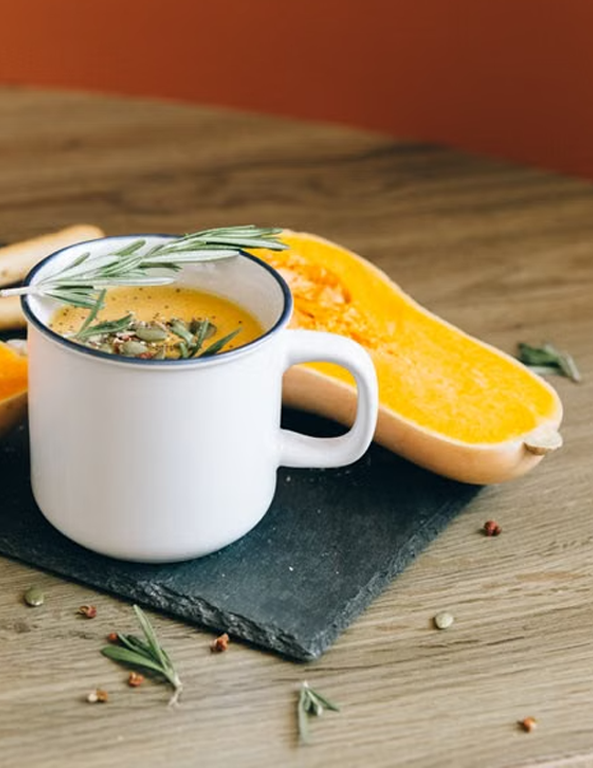
Blend roasted pumpkin with onion, garlic, bell pepper and broth for a creamy, comforting meal. Pair it with whole-grain bread and a protein to keep you satisfied.
3. Roast it as a side
Cube it and toss it with olive oil, salt, and your favorite spices, then roast until caramelized. It’s delicious next to chicken, fish, or grain bowls.
4. Don't toss the seeds
Pumpkin seeds are a great source of plant protein, magnesium, and zinc. Roast them with a pinch of salt or spice for an easy snack, or sprinkle them on salads and yogurt.
5. Enjoy the treats, too
Pumpkin pie, muffins, and that pumpkin spice latte all count as part of a balanced, joyful fall. Pair a sweet treat with a protein or fiber source for more lasting energy.
Seasonal eating is a simple way to add variety, flavor, and nutrients to your routine. This fall, let pumpkin be a reminder that nourishing your body can be fun, flexible, and full of flavor. Your plate doesn’t need to be perfect. It just needs to feel good for you