
Back to School
Nourishing Your Kids Through the Transition
The Back-to-School Stress is Real
New school years bring legitimate changes. Earlier wake-up times, new schedules, more structured days, and the mental load of packing lunches, snacks, and managing what everyone will eat. If you’re juggling work, school drop-offs, and keeping your household fed, you’re managing a lot. It’s easy to fall into the trap of thinking stricter planning or “cleaner” eating will make it all easier. But research tells us that the opposite is true. When we restrict food options or make eating unnecessarily rigid, we often end up with more stress, more food anxiety, and less compliance.
Nourishment Supports Transition
Your kids are experiencing big changes. A new classroom, new routines, potentially new social dynamics, and a lot of mental energy devoted to learning and adjustment. Their bodies need fuel to handle that. Full stop.
Building Flexible, Realistic Routines

Start with breakfast, keep it simple
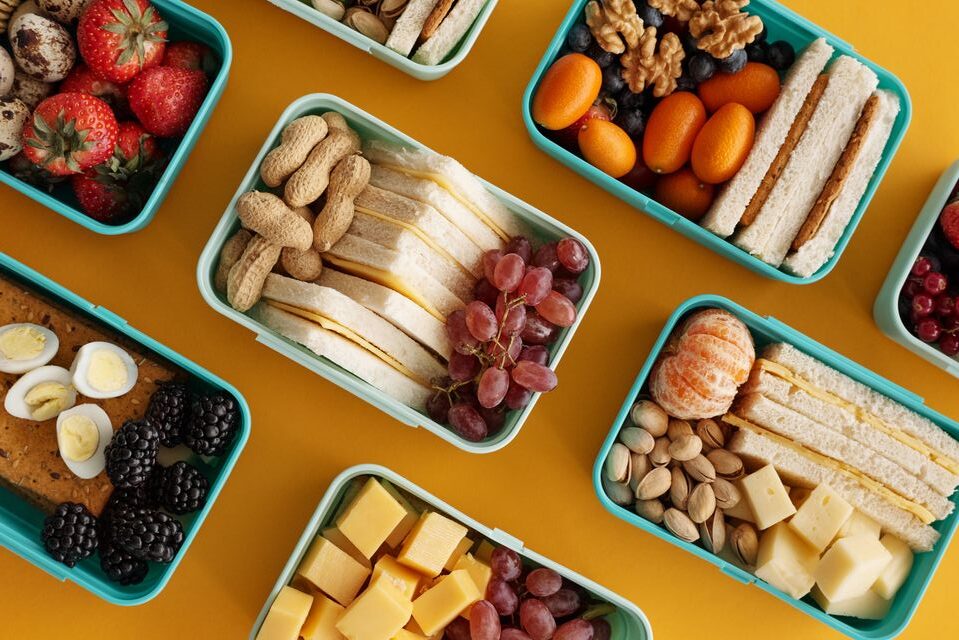
Breakfast doesn’t have to be elaborate. It has to happen. Including carbohydrates, protein, and some fat gives kids sustained energy. That might look like toast with peanut butter and fruit, cereal with milk and banana, eggs and toast, or even a bagel with cream cheese. The best breakfast is the one your family will actually eat on a busy morning.
Pack snacks with permission
Snacks bridge the gap between meals and prevent the 2 pm meltdown at school. Include a variety: fruit, crackers, cheese, granola bars, or trail mix. Pair different nutrients together when you can (fruit with nuts, crackers with hummus), but if it’s just a granola bar because you’re out of time, that’s enough. Kids don’t need “perfect” snacks to feel and function well.
Make lunch realistic
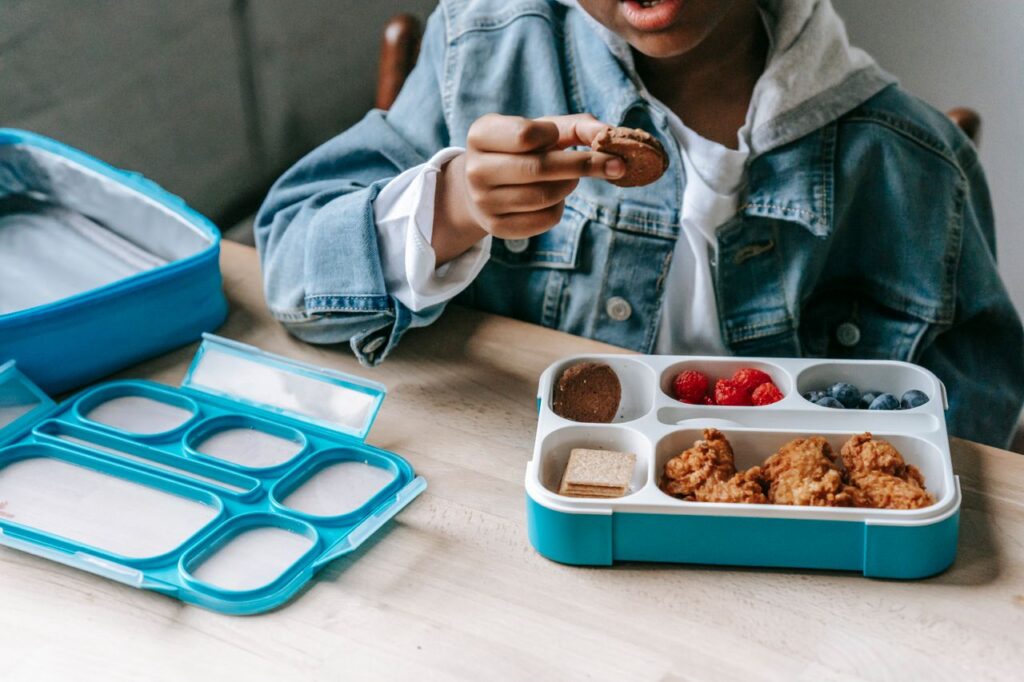
If you’re packing lunches, pack what your kid will actually eat. This might sound simple, but it’s often where parents get stuck. You might have a vision of beautiful balanced containers with three vegetables. Your kid might genuinely prefer a turkey sandwich, some crackers, and an apple. That’s okay. A lunch your kid eats is infinitely better than a “balanced” lunch that comes home untouched.
Build in flexibility
School days don’t always go as planned. Some days kids will eat more, some days less. Some days they’ll be ravenous after school, some days they won’t be. Rather than seeing these variations as problems to fix, they’re just part of how kids’ bodies work. Having snacks available at home and trusting your child’s hunger cues reduces the stress on both of you.
Normalize conversation about hunger
Ask your kids what they need. Are they genuinely hungry after school, or do they need a break or connection? Do they feel satisfied with their lunch, or do they need more? Do they like what’s in their lunch box? Kids develop better intuition about their bodies when we ask and listen, rather than imposing what we think they “should” eat.
What This Isn't
This isn’t permission to abandon planning altogether. But it also isn’t an invitation to optimize yourself into exhaustion. Back-to-school routines work best when they’re built on nourishment and compassion, not control and perfection.