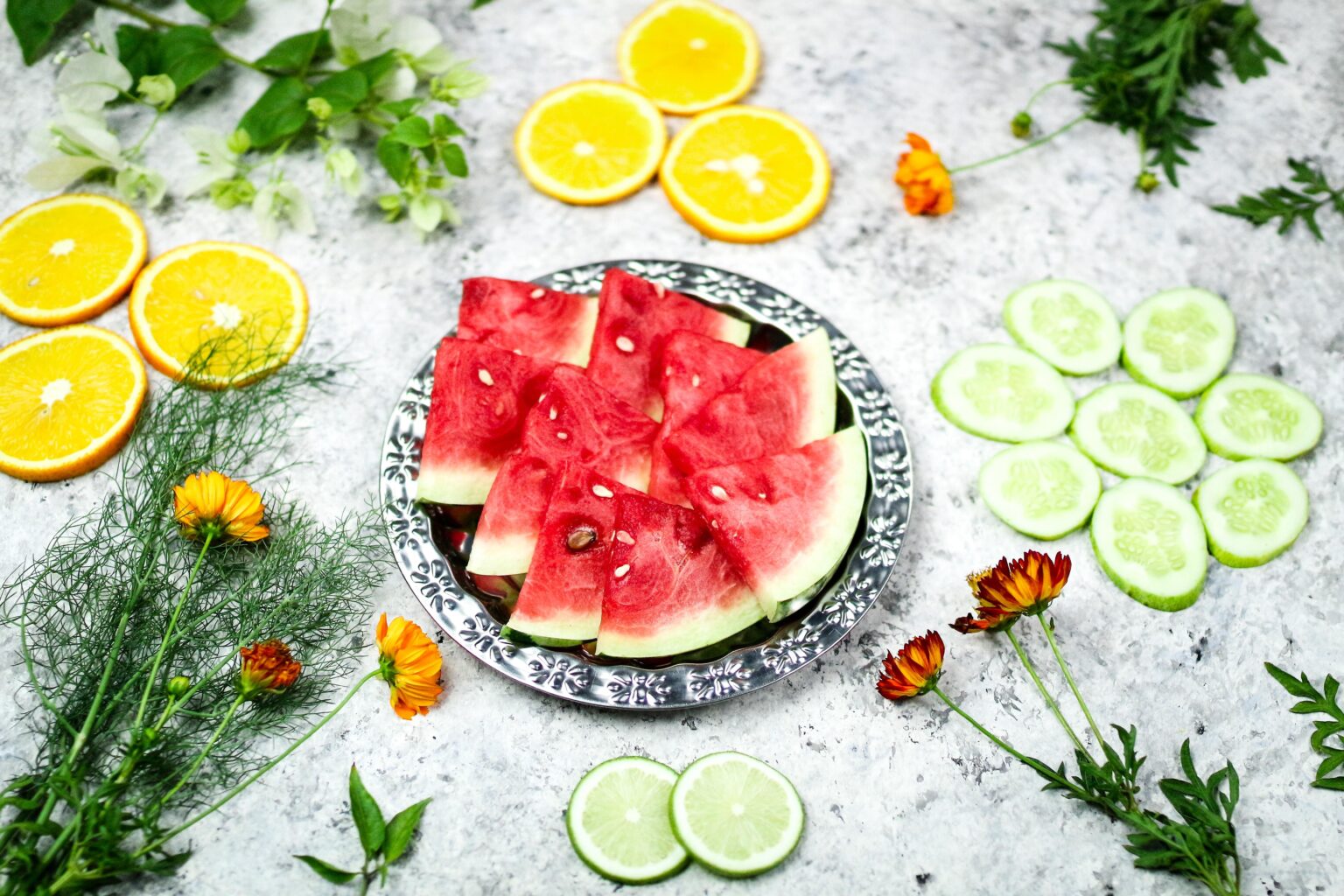

Hydration: Myths & Facts
Hydration is one of the most overlooked foundations of health. Many people associate drinking water with simply “quenching thirst,” but hydration impacts nearly every system in the body, from energy and digestion to mood, exercise performance, concentration, and temperature regulation.
At the same time, hydration advice online can be confusing. Do you really need eight glasses of water a day? Are sports drinks always necessary? Does coffee dehydrate you?
Let’s break down what hydration actually means, where common myths come from, and what the science says.
What Is Hydration?
Hydration refers to the body’s process of maintaining adequate fluid balance. Water makes up approximately 60% of the human body and
plays an essential role in:
● Regulating body temperature
● Transporting nutrients and oxygen
● Supporting digestion
● Lubricating joints
● Maintaining blood volume
● Supporting brain function and concentration
● Removing waste through urine and sweat
Hydration is not just about water alone, it also involves electrolytes like sodium, potassium, and magnesium, which help regulate fluid balance, nerve signaling, and muscle function.

Common Sources of Hydration
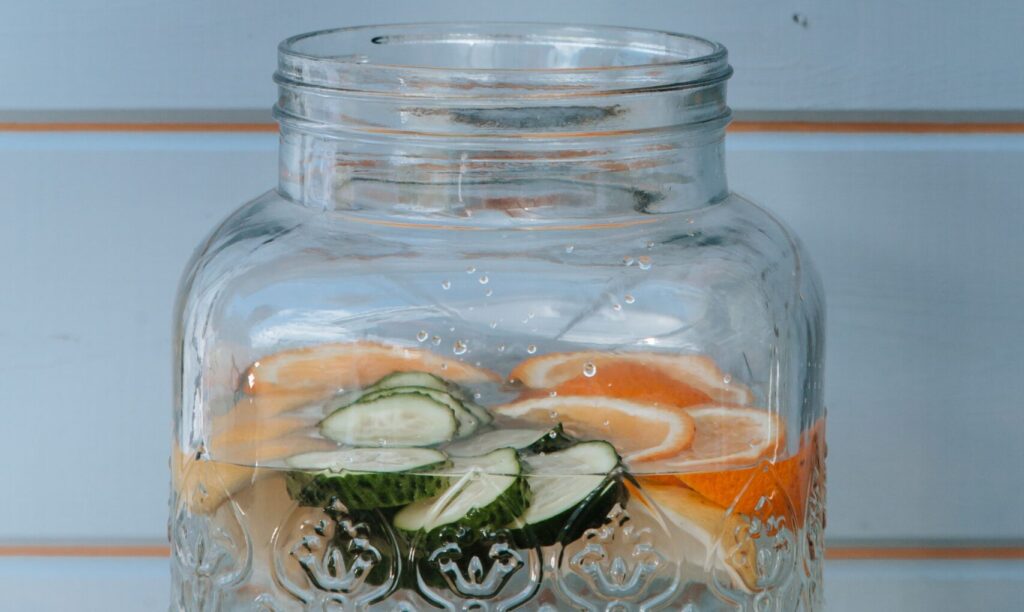
Hydration can come from both beverages and foods, including:
● Water
● Sparkling water
● Fruits and vegetables (watermelon, cucumber, oranges, strawberries)
● Herbal teas
● Milk
● Soups and broths
● Electrolyte beverages
● Foods with high water content
In fact, about 20% of the fluids we need each day come from the foods we eat.
Hydration Myths vs. Facts
Myth #1: “You Need Exactly 8 Glasses of Water a Day”
Fact:
Hydration needs are different for everyone. Factors like activity level, climate, body size, illness, pregnancy, and sweat losses all affect how much fluid your body needs. Someone exercising outdoors in hot Florida weather will likely need more fluids than someone spending most of the day indoors.
Instead of focusing only on a number, pay attention to your body’s signals, such as:
● Thirst
● Pale yellow urine
● Energy levels
● Dry mouth
● Headaches or dizziness
General recommendations for adults are:
● Women: about 11.5 cups daily
● Men: about 15.5 cups daily
*These totals include fluids from both drinks and foods.
Myth #2: “Coffee and Tea
Dehydrate You”
Fact:
Coffee and tea still count toward your daily fluid intake. While caffeine can have a mild diuretic effect, moderate amounts are not typically dehydrating for most people. The key is moderation:
● Water as your main source of hydration
● Too much caffeine may cause jitteriness, poor sleep, or stomach discomfort in
some individuals

Myth #3: "You Can Never Drink Too Much Water"
Fact:
affecting how your body functions.
● Nausea or vomiting
● Headache
● Confusion
● Swelling in hands or feet
The takeaway: Drink when you’re thirsty and include electrolytes during intense exercise. If you’re struggling with your relationship with food or hydration, talk with a healthcare provider or registered dietitian.
Myth #4: “Sports Drinks Are Always Better Than Water”
Fact:
For most daily activities, water is usually enough. Sports drinks can be helpful during long or intense exercise, heavy sweating, or endurance events when electrolyte losses are higher. In many cases, water along with balanced meals and snacks can support hydration and recovery just fine.
What is Dehydration?
Dehydration happens when your body loses more water than you’re taking in. Even mild dehydration can affect how you feel and function.
Chronic dehydration can lead to health issues.
Common Symptoms
Include
● Fatigue
● Headaches
● Dry mouth
● Dizziness
● Dark yellow urine, reduced urine output
● Muscle cramps
● Difficulty concentrating
● Constipation
Hydration and Exercise Performance
Hydration plays a major role in physical performance and recovery. Losing just 2-3% of your body weight through sweat can affect how well you perform. Even small fluid losses through sweat can negatively impact:
● Endurance
● Strength
● Coordination
● Recovery
● Body temperature regulation
Easy Ways to Improve Hydration
● Carry a reusable water bottle
● Add fruit like lemon, cucumber, or berries for natural flavor
● Drink fluids consistently throughout the day instead of all at once
● Include water-rich foods at meals
● Increase fluids during exercise or hot weather
● Monitor urine color as a general hydration check Hydration is about consistency, not perfection.
Hydrating Foods
Foods and Beverages with 90–100% Water Content
● Water
● Sparkling water
● Fat-free milk
● Strawberries
● Watermelon
● Cantaloupe
● Lettuce
● Celery
● Cabbage
● Spinach
● Cooked squash
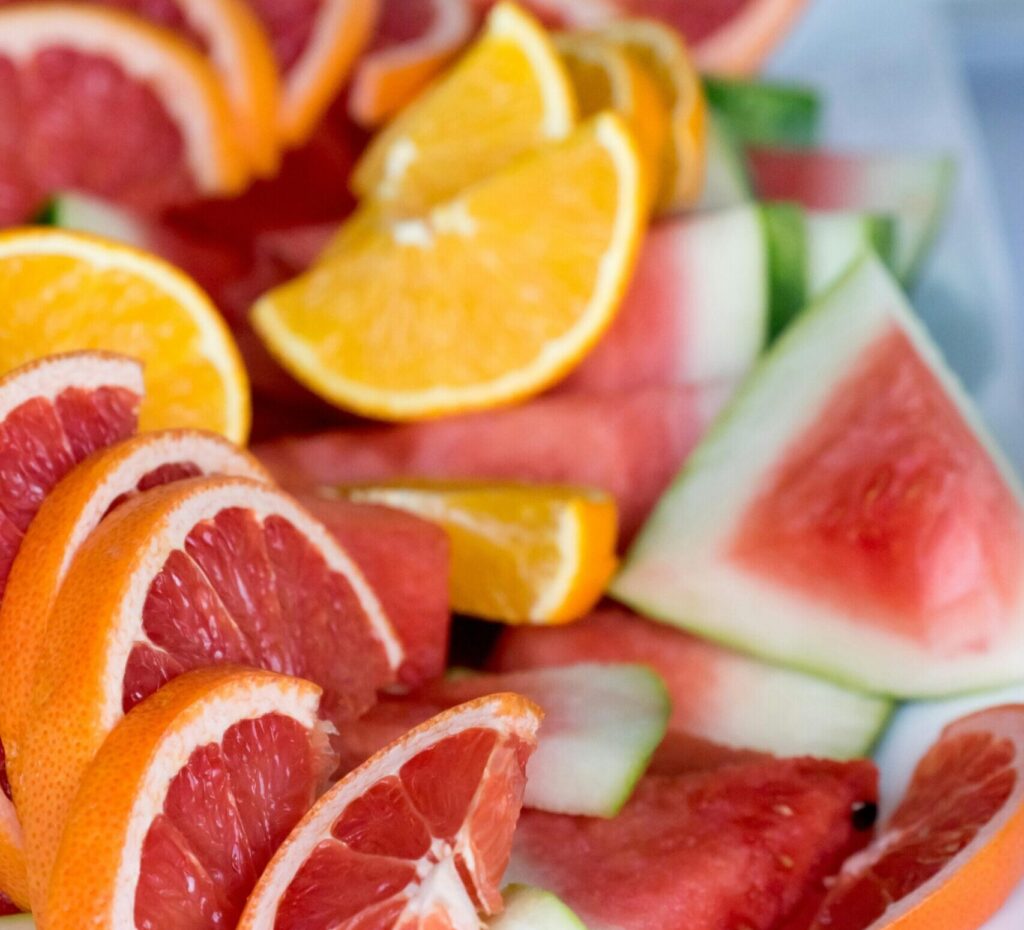
Foods with 70–89%
Water Content
● Grapes
● Bananas
● Oranges
● Pears
● Pineapple
● Carrots
● Cooked broccoli
● Avocados
● Yogurt
● Cottage cheese
● Ricotta cheese
How New Moon Can Help
At New Moon Nutrition and Wellness, we believe nutrition should feel practical, realistic, and empowering.
If you want support improving hydration, energy, or overall wellness, we offer:
● Personalized Nutrition Counseling — individualized strategies tailored to your lifestyle and health goals
● Wellness Education — practical guidance on hydration, balanced eating, and sustainable habits
● Interactive Cooking Demonstrations — helping you apply nutrition science in real life
Final Takeaway
Hydration is more than just drinking water, it is a key part of supporting your energy, focus, physical performance, and overall health.
Don’t let hydration myths make things more complicated than they need to be. Whether it’s a glass of water, a hydrating meal, or adding electrolytes after a workout, small consistent habits can make a meaningful difference over time.